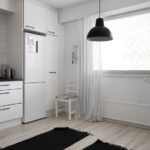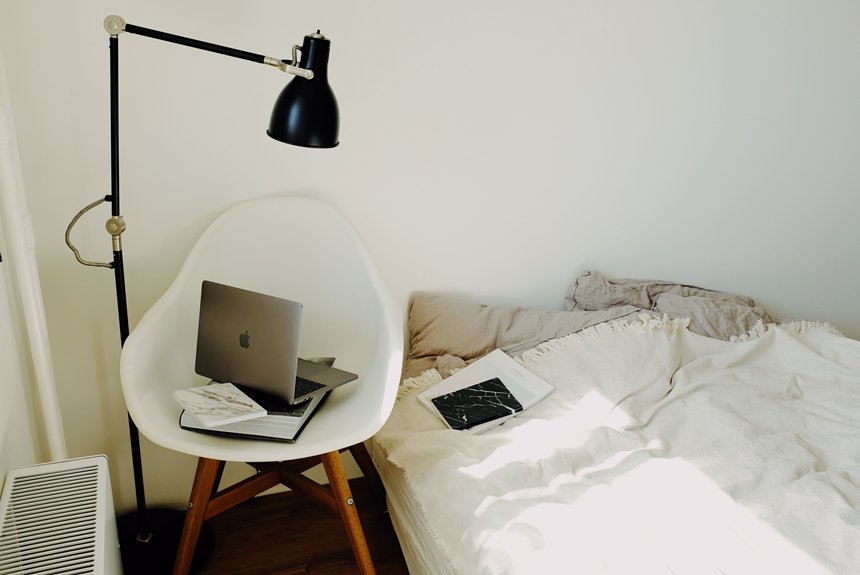
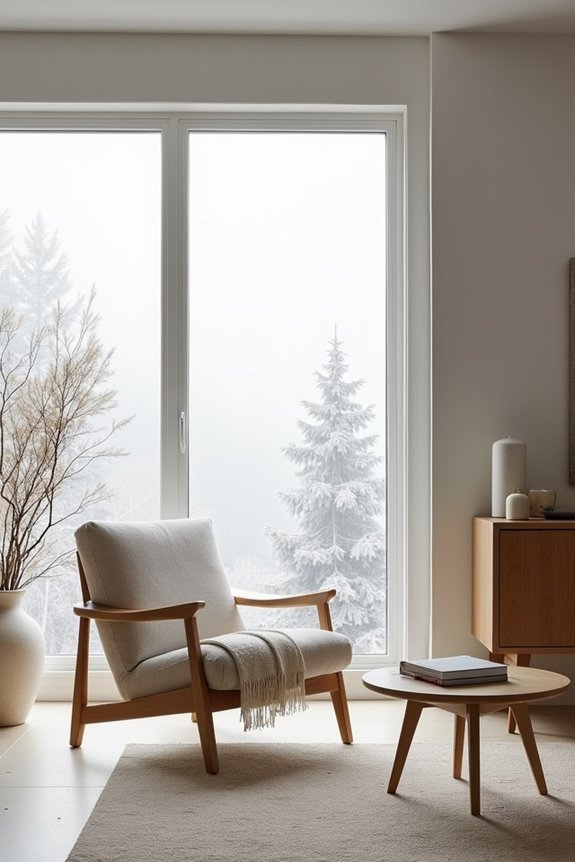
I’ve embraced Scandinavian minimalism by ditching stuff that doesn’t earn its place in my home. Unlike harsh minimalism, this approach blends function with coziness—think warm blankets on clean lines, natural wood furniture that ages beautifully, and plenty of natural light flooding through large windows. It’s not about empty rooms; it’s about choosing fewer, better-made pieces I actually use and love.
When I started decluttering my bedroom and investing in quality materials, everything came together. The real benefit happens when you discover how these principles work in every single room.
What Scandinavian Minimalism Actually Is
Ever wonder why some homes feel so peaceful while others make you want to take a nap just looking at them?
That’s Scandinavian design at work. I’ve learned it’s not actually minimalism for minimalism’s sake. Instead, it’s purposeful—every item earns its place. You keep what serves you, whether that’s a beautifully crafted wooden chair or soft blankets that make winter bearable.
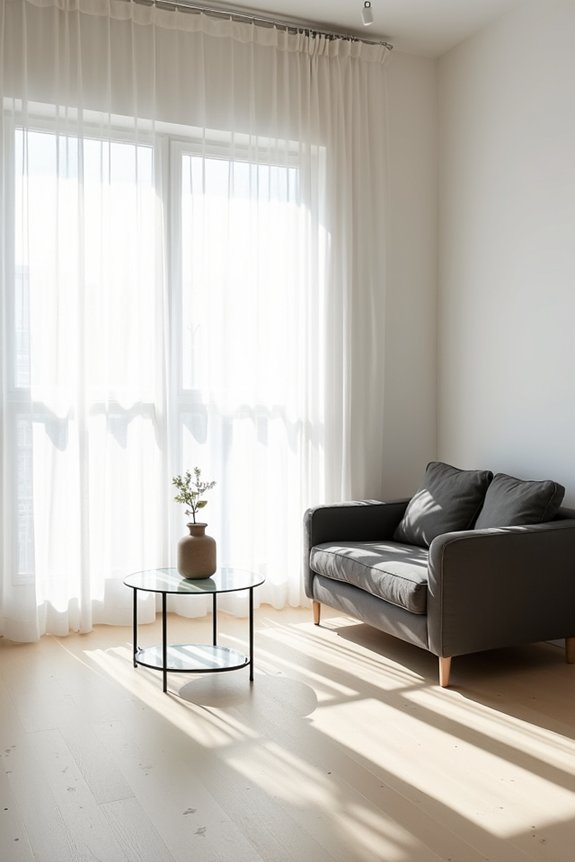
The balance happens when you blend utility with coziness. Large windows flood rooms with natural light, light walls bounce it around, and carefully chosen pieces create calm instead of emptiness. I discovered that Scandinavian minimalism respects both your space and your well-being.
It’s sustainability wrapped in style—fewer, better-made items that last years, not seasons. This approach makes minimalism from restrictive into livable, creating homes where you actually want to spend time.
How Scandinavian Minimalism Differs From General Minimalism
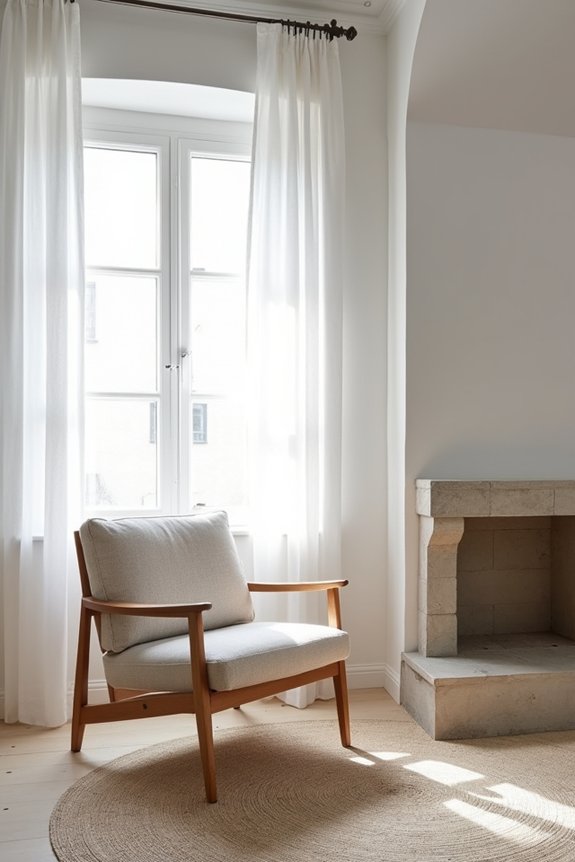
Why do some minimalist homes feel cold while others feel like a warm hug? That’s the Scandinavian difference. While general minimalism sometimes strips away everything for spiritual reasons, I’ve found that Scandinavian minimalism keeps what actually matters—functionality and beauty working together.
Here’s what sets it apart: I’m not obsessing over possession counts. Instead, I’m choosing natural materials like wood and wool, then arranging them so I can see and use everything easily. It’s about creating spaces that have room to breathe while remaining comfortable. A carefully selected linen blanket or well-crafted wooden chair isn’t wasteful; it’s practical comfort.
General minimalism might feel austere, almost punishing. But Scandinavian minimalism? It’s minimalism with soul—designed for real living, not ideology.
The Nordic Roots of Modern Minimalism
| Country | Key Influence |
|---|---|
| Denmark | Arne Jacobsen’s iconic designs |
| Sweden | Josef Frank’s elegant furniture |
| Finland | Alvar Aalto’s organic minimalism |
| Norway | Functional design philosophy |
The Bauhaus movement heavily influenced these designers, emphasizing clean lines and practicality. IKEA eventually brought these principles into homes worldwide, making Scandinavian minimalism accessible to the general public. This design approach represents a continuation of established Nordic principles rather than a departure from them.
Maximize Natural Light: A Foundational Principle
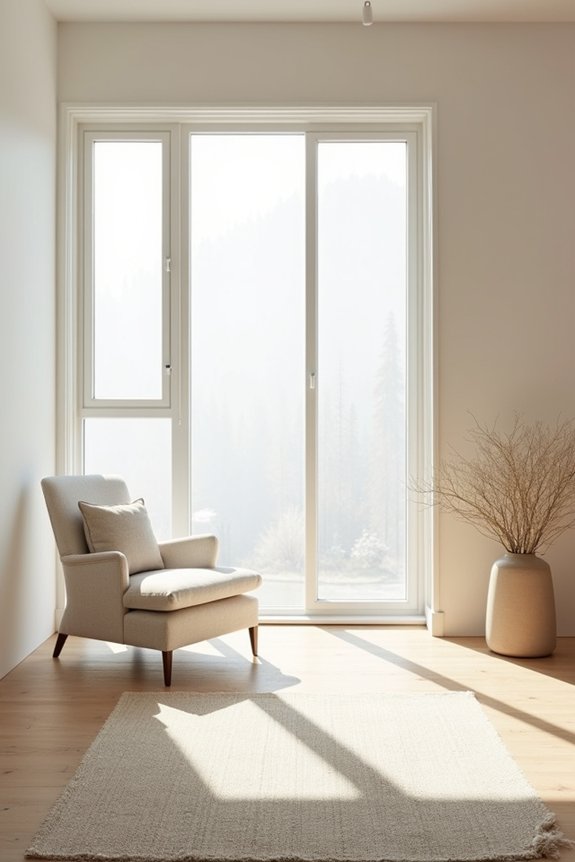
How much time do you spend in dark corners of your home, squinting at your phone? I used to do the same thing until I realized that natural light changes everything. In Scandinavian minimalism, maximizing natural light isn’t just nice—it’s foundational. I strategically positioned my furniture away from windows and chose minimal window treatments so daylight floods through unobstructed. Large windows paired with light-colored walls became my approach. I swapped heavy curtains for simple, sheer panels that let sunshine penetrate every room. Reflective surfaces amplify this effect, bouncing light around corners I’d forgotten existed. The result? My home feels bigger, brighter, and honestly, more pleasant. You don’t need complicated solutions—just intentional choices about how you welcome light into your space.
Declutter the Scandinavian Way: Simplicity Without Sacrifice
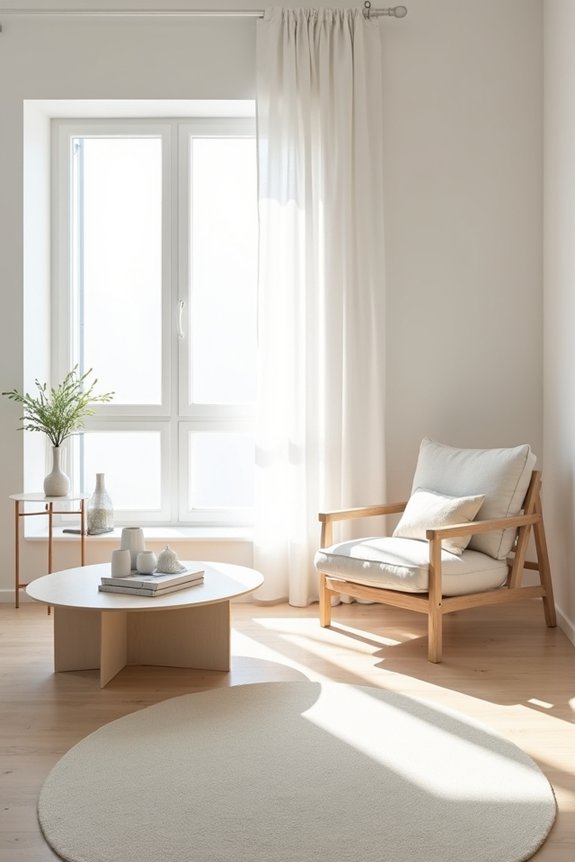
Once you’ve got the light streaming in, you’ll notice something unexpected: you can actually see all your stuff now. That’s when the real work begins.
Once the light floods in, you’ll finally see everything clearly—and that’s when the real decluttering work begins.
I’ve learned that decluttering the Scandinavian way isn’t about harsh purging—it’s about keeping what matters. I ask myself: Does this serve a purpose? Does it bring me joy? If it’s just taking up space, it goes.
When you embrace natural materials like wood and linen, items that feel genuine and deserve their spot, clarity follows. Simplicity doesn’t mean bare walls; it means every object earns its place.
I keep sentimental pieces that tell my story, but I’m honest about multifunctional items. A beautiful wooden shelf holds books and displays meaningful artwork. That’s the balance: purposeful, calm, and genuinely yours.
Choose Multifunctional Furniture That Earns Its Space
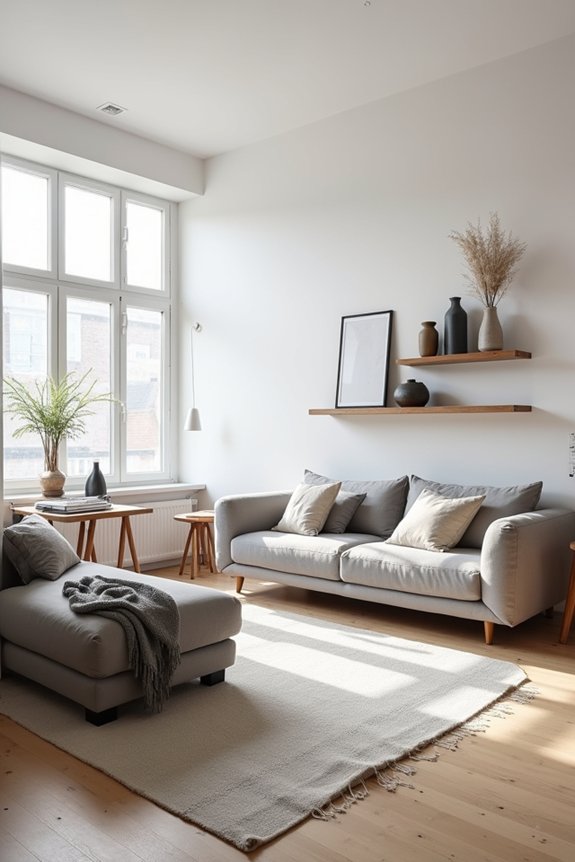
I’ve learned that the best furniture pieces in my home aren’t just beautiful—they’ve got to work harder than I do. When I picked out a storage ottoman that doubles as seating, or a shelving unit with built-in drawers, I realized I wasn’t just filling space; I was actually solving problems while keeping things looking clean and simple. That’s what Scandinavian design does well: choosing pieces that earn their spot by doing more than one job, so you’re not drowning in stuff you don’t need.
Dual-Purpose Furniture Solutions
When I first downsized my apartment, I realized I’d been hauling around a coffee table that basically just held my mail and the occasional forgotten mug—not exactly earning its square footage.
That’s when I discovered dual-purpose furniture. I swapped that useless table for one with hidden storage underneath. Now I’m investing in pieces that work as hard as I do:
- Sofa beds that convert my living room into a guest bedroom
- Wall-mounted desks that fold away when I’m done working
- Storage ottomans crafted from natural materials like leather and wood
- Modular shelving that reconfigures based on what I need
- Coffee tables with compartments for blankets, books, and remotes
These multifunctional pieces are practical and attractive. With clean lines and natural materials, they fit my Scandinavian aesthetic while keeping my space calm and clutter-free.
Maximizing Space With Intent
How do you know if a piece of furniture is actually worth keeping? I ask myself this question constantly, and honestly, it’s changed how I shop. In Scandinavian minimalism, we embrace multifunctional furniture that earns its space through purpose. That storage ottoman? It’s seating, storage, and a footrest rolled into one. The extendable dining table adapts when friends visit, then shrinks back down. I’ve learned that quality pieces in natural wood or leather last longer, so I’m not constantly replacing things. The real value comes when you intentionally place items in accessible zones—your bedroom storage, kitchen essentials, work supplies—making daily routines smoother. When every piece serves multiple purposes, you’re not just decluttering; you’re designing a space that genuinely supports how you actually live.
Build a Neutral Color Palette With Intentional Accents
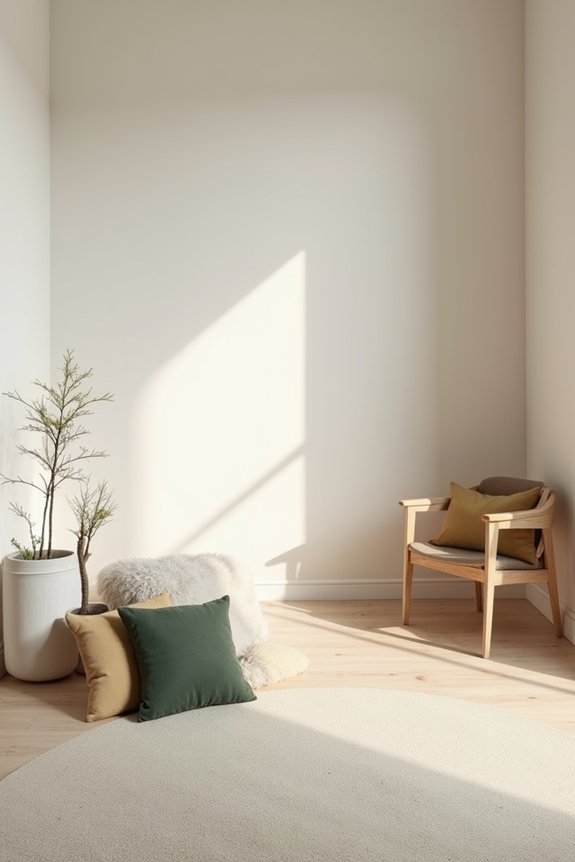
I’ve found that building a Scandinavian color palette starts with choosing your neutral base—think soft whites, warm grays, or creamy beiges for your walls and larger furniture pieces—because these colors naturally reflect light and create that calm, open feeling we’re after. Then comes the fun part: I strategically layer in one or two accent colors through textiles, artwork, or a single accent piece, which keeps things interesting without making the space feel cluttered or chaotic. When I apply this same neutral foundation and accent approach consistently across my rooms, the whole home flows together cohesively and remains timeless rather than appearing dated in a few years.
Neutral Base Foundation
The foundation of Scandinavian minimalism starts with your walls and largest surfaces—think of them as the blank canvas that lets everything else shine. When you commit to a neutral palette, you’re actually giving yourself freedom, not limiting yourself.
What works best:
- Paint walls in soft whites, warm grays, or pale beiges to maximize natural light
- Choose timeless craftsmanship through natural wood floors or stone that’ll outlast trends
- Keep large furniture pieces neutral so they disappear into your space
- Let pale surfaces reflect brightness throughout your home
- Reserve color for textiles and small decor items only
This approach creates that calm, open feeling many people seek. You’re not being boring—you’re being deliberate. Your neutral foundation becomes the perfect stage for everything you value.
Strategic Accent Integration
I’ve learned that intentional accents aren’t about cramming color everywhere. Instead, I pick just two or three muted hues—maybe charcoal, soft blue, or warm terracotta—and let them have space to exist. A textured throw draped over your minimalist sofa? That’s purposeful. A statement rug with subtle pattern? It works. These pieces don’t just look good; they serve your space.
The key’s restraint. I ask myself: does this accent highlight something functional or showcase craftsmanship? If it’s just decorative clutter, it goes. By keeping your neutral palette as the star and letting accents play supporting roles, you’re creating something truly Scandinavian—calm, balanced, and distinctly yours.
Timeless Color Consistency
Once you’ve nailed down your accent strategy, you’re ready to build the foundation that makes it all work—your neutral color palette. Creating color consistency means choosing soft, light tones that bounce natural light around your space. Here’s what I focus on:
- Paint walls in creams, soft grays, or warm whites
- Select furniture in single-tone neutrals like beige or taupe
- Layer warm textures (wool, leather) for a comfortable feel
- Limit accent colors to two or three maximum
- Let natural light guide your shade selections
When I stick to this approach, my home feels calm and open, not boring. The neutral palette acts like a canvas, letting natural light do the heavy lifting while my carefully chosen accents shine without overwhelming the room.
Invest in Quality Materials and Timeless Pieces
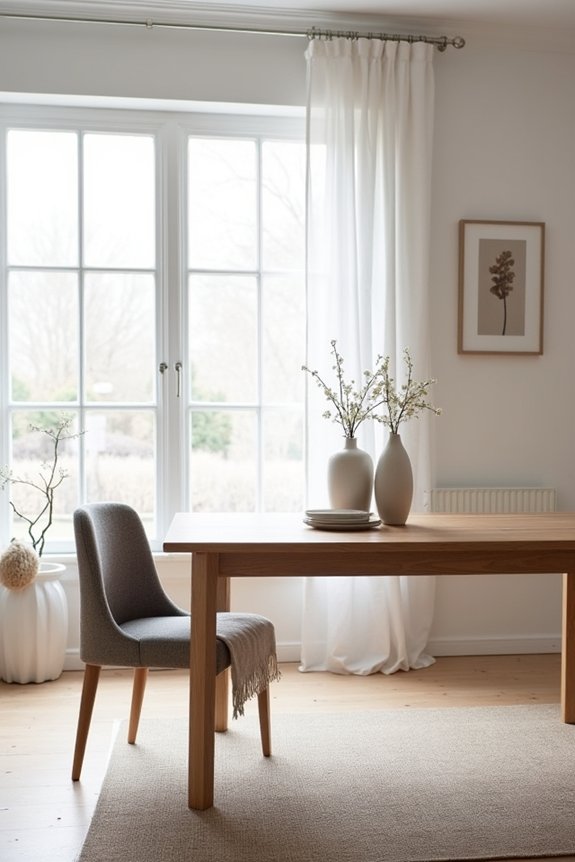
Because our stuff tends to stick around longer than we expect, choosing well-made items from the start saves both money and headaches down the road. I’ve learned that investing in quality craftsmanship means my pieces actually age beautifully instead of falling apart after a year.
| Material | Why It Matters | Example |
|---|---|---|
| Wood | Develops character, lasts decades | Solid oak table |
| Leather | Softens with use, gains patina | Classic wallet |
| Stone | Nearly indestructible, timeless | Marble countertop |
| Metal | Resists wear, stays strong | Steel shelving |
When I choose timeless design—think clean lines and neutral tones—my furniture doesn’t scream “2024.” Arne Jacobsen’s chairs from the 1950s still look fresh today. That’s the power of prioritizing durability over trends. You’re part of a growing group that values lasting value over constant replacement.
Hygge as Scandinavian Minimalism’s Cozy Heart
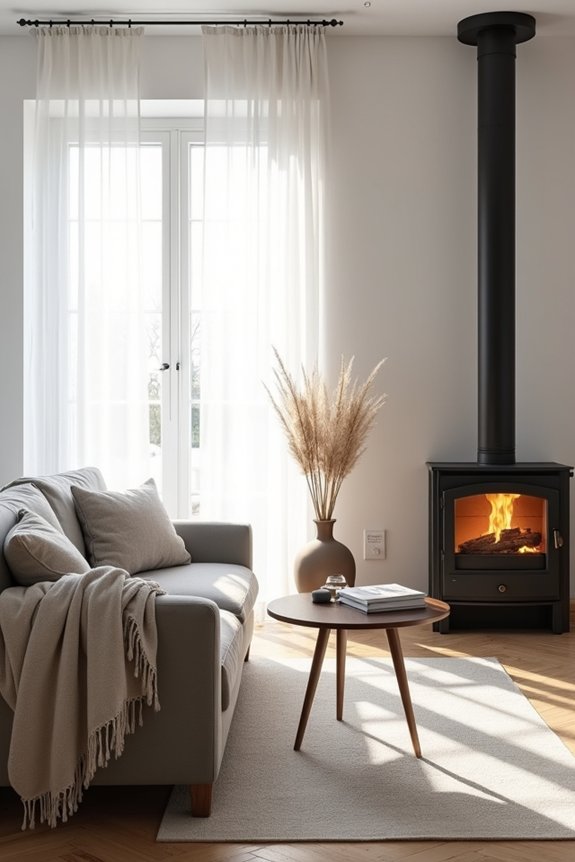
I’ve discovered that hygge isn’t about stuffing your home with things—it’s actually the opposite, and those words make it perfect for minimalists like us. You create warmth through restraint by choosing a few essential elements: a quality candle, soft blanket, warm drink, and maybe a good book, then building your evening ritual around them. When you strip away the clutter and focus on these deliberate moments of comfort, you’ll find that coziness comes from what you do together in your space, not from what you own.
Creating Warmth Through Restraint
How do you make a room feel cozy without filling it with stuff? I’ve discovered that warmth comes from thoughtful choices, not clutter. You don’t need excess to create comfort—you need intention.
Here’s what I’ve learned works:
- Light candles or use soft lamps to create gentle, calming ambiance
- Choose natural materials like wool blankets and linen for texture
- Prepare warm beverages as daily rituals that ground your space
- Select a subdued color palette that feels restful
- Invest in quality pieces you’ll actually use and enjoy
The satisfaction comes when I remove distractions and focus on what truly matters. Simple surroundings combined with intentional rituals create genuine warmth. This restraint isn’t about deprivation—it’s about celebrating what remains. When everything serves a purpose, every element contributes to that comfortable feeling we’re all seeking.
Rituals That Define Coziness
While minimalism might sound cold and empty to some, the Scandinavian approach proves that restraint and comfort aren’t opposites—they’re actually best friends. I’ve discovered that hygge shapes my daily life through intentional rituals rather than stuff. These practices create genuine coziness without clutter.
| Ritual | Element | Purpose |
|---|---|---|
| Morning Coffee | Warm beverage | Mindful awakening |
| Evening Wind-Down | Candlelight | Calm atmosphere |
| Weekly Gatherings | Good food | Connection |
| Daily Pause | Comfortable space | Contentment |
When I light candles while sipping tea, I’m not just warming my hands—I’m honoring Scandinavian minimalism’s core belief that fewer possessions plus intentional moments equals genuine comfort. You don’t need fancy decorations. You need rituals that make you feel at home, right now, in this exact space.
Adapt Scandinavian Minimalism Room by Room
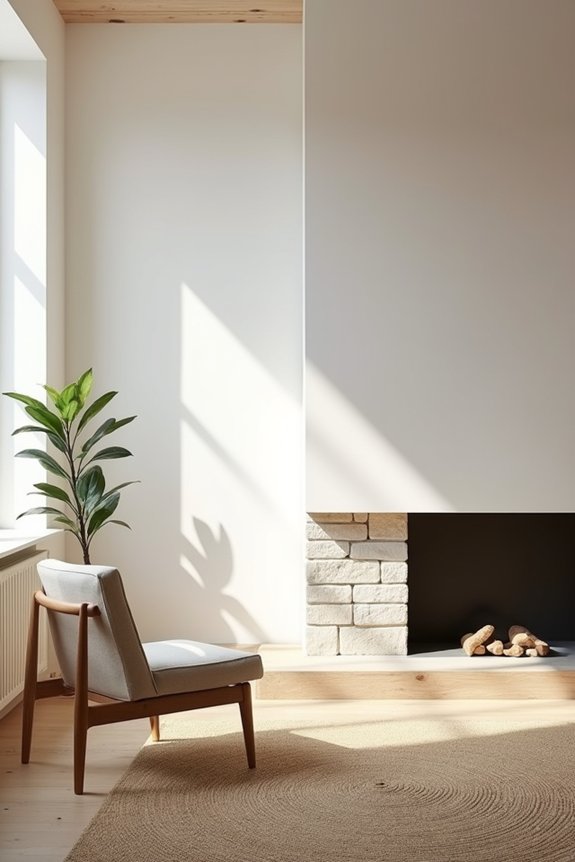
When you’re ready to adapt your home, the smartest move isn’t overhauling everything at once—it’s tackling one room at a time. I’ve learned that applying Scandinavian minimalism room by room helps you stay focused and actually stick with it.
Here’s what I prioritize in each space:
- Bedrooms: Maximize natural light with minimal window coverings, then layer warm textures like wool blankets
- Kitchens: Choose multifunctional Nordic furniture with clean lines to reduce clutter and boost functionality
- Living rooms: Embrace open spaces by displaying only meaningful items and incorporating strategic lighting
- Bathrooms: Use neutral palettes and natural materials to create calm, spa-like sanctuaries
- Home offices: Balance decluttering with purposeful accessories that inspire focus
This gradual approach lets you discover what Scandinavian minimalism genuinely means for you.
Your First Steps: Where and What to Prioritize
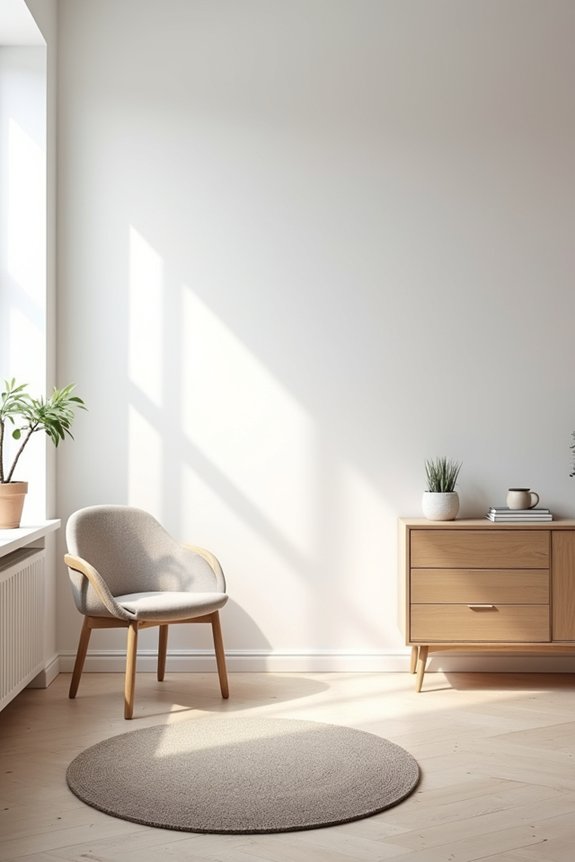
So where do you actually start when your home feels overwhelming? I’d recommend beginning with your bedroom or one small closet—somewhere manageable that won’t drain you immediately. Start by removing everything you don’t use daily or love. This decluttering creates space and openness that feels good.
Next, I focus on adding natural materials like wood and wool that ground a room without cluttering it. I keep my color palette neutral, letting light walls and minimal window treatments maximize natural light streaming in.
Here’s the thing: you’re not creating a showroom. You’re building a space where you belong, where every item earns its place. Start small, stay consistent, and you’ll naturally fall into rhythms that work for your life.