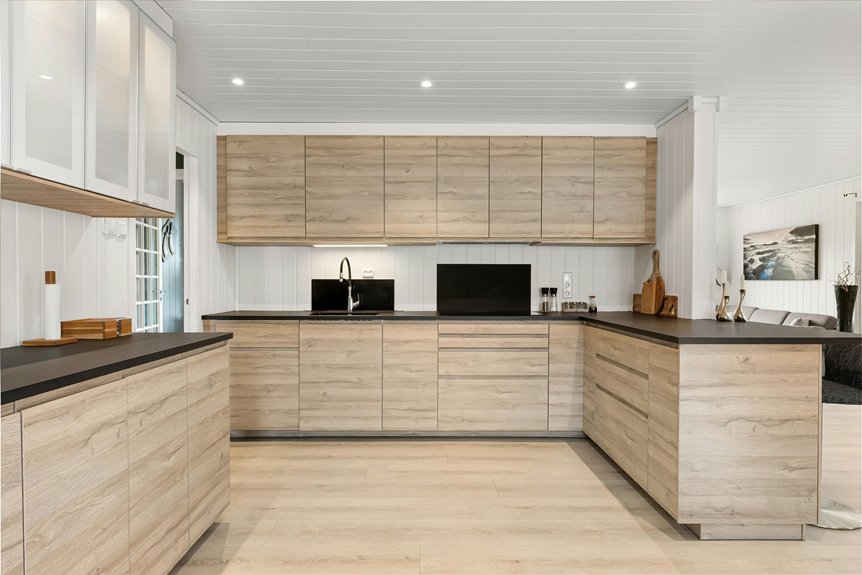
Scandinavian design’s popularity boils down to honesty. I’ve noticed these pieces work because they’re genuinely built well—solid wood chairs, quality textiles, minimal fuss—yet affordable for regular people, not just the wealthy. After World War II, designers like Hans Wegner created furniture that’s both beautiful and functional, using natural materials that improve with age. They skip the pretension. What really draws people in? These pieces last beyond passing fads while creating homes that feel calm and purposeful, which explains why they’ve remained relevant since the 1954 Brooklyn Museum exhibition introduced them worldwide—and there’s quite a story behind why that matters.
What Makes Scandinavian Design Democratic?
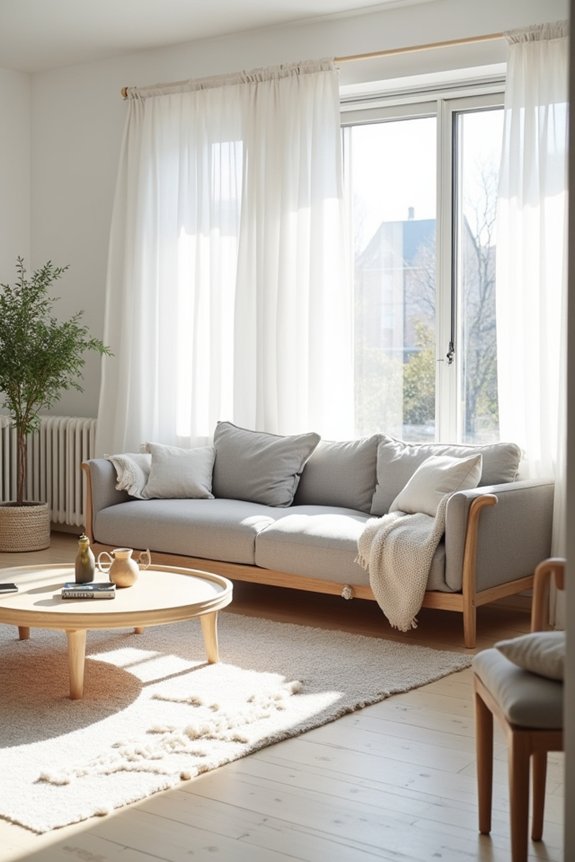
Why do we associate Scandinavian design with fairness and equality? It’s because these designers believed everyone deserved beautiful things, not just wealthy people. After World War II, Scandinavian countries built strong welfare states that valued democratic access to quality goods. Designers like Arne Jacobsen created furniture using simple lines and natural materials—pieces that remained affordable for ordinary households.
Mass production made this possible. Rather than treating high-quality craftsmanship as exclusive luxury, these designers mass-produced durable furniture that stayed beautiful for decades. They exported worldwide, making iconic chairs and tables available in homes like yours and mine. Subscription models and modular designs further broke down barriers, letting anyone participate in this design community. That’s what matters: Scandinavian design positions quality as accessible to all.
How Post-WWII Hope Built a Design Movement
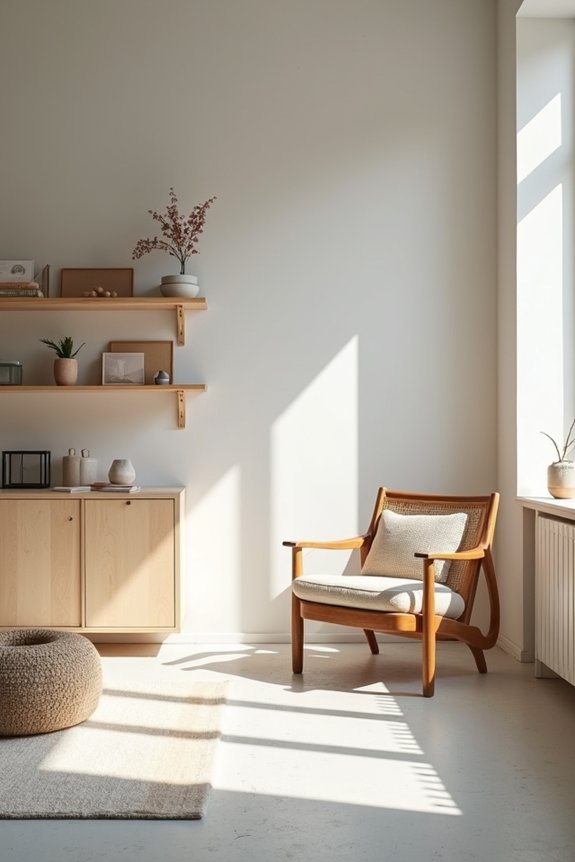
They focused on what mattered most:
- Mass production made quality pieces accessible to regular families, not just the wealthy
- Democratic access meant everyone deserved well-made design, regardless of income
- Functionalism stripped away unnecessary ornament—form followed purpose
- Natural materials and honest craftsmanship built trust in everyday objects
These designers weren’t creating art for museums. They were building the homes we’d actually live in, where function met beauty without pretension. That’s genuinely significant, and it’s why their vision still resonates with us today.
Why Wood, Leather, and Linen Outlast Fleeting Trends
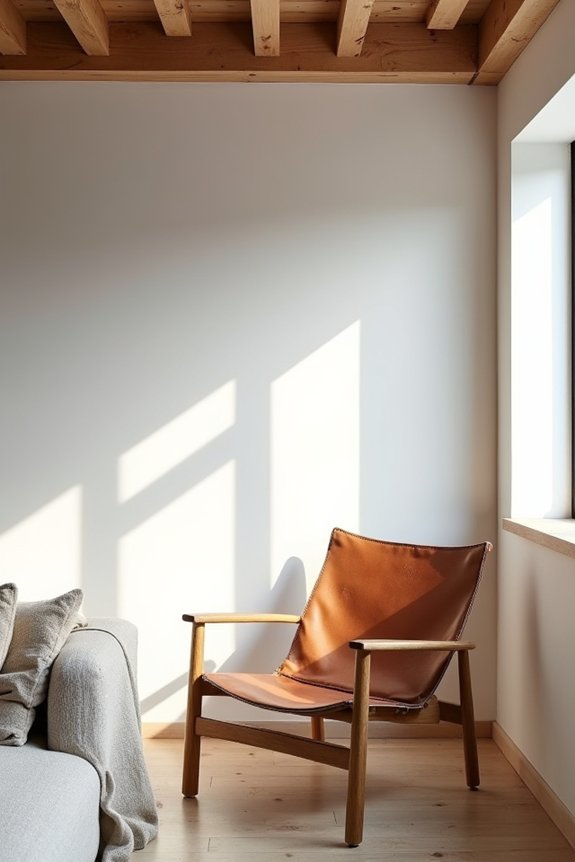
I’ve noticed that while most furniture trends fade faster than my interest in organizing my closet, Scandinavian pieces seem to stick around—and there’s a real reason behind that staying power. You see, when designers choose natural materials like solid wood, genuine leather, and organic linen, they’re building furniture that gets better with age rather than worse, kind of like a well-worn pair of jeans that actually improves over time. This durability stems from quality craftsmanship combined with simple, no-fuss designs. These pieces don’t rely on flashy details to look good, so they’ll fit into your home whether it’s 2024 or 2034.
Natural Materials Stand The Test
One of the best-kept secrets of Scandinavian design isn’t really a secret at all—it’s what you can actually *touch*. I’ve noticed that natural materials like wood, leather, and linen aren’t just attractive; they’re practically indestructible. These materials age beautifully, developing character rather than falling apart.
Here’s why I believe they matter:
- Durability means your furniture survives spills, scratches, and life’s messiness
- Linen textiles from Europe resist wear while becoming softer with time
- Longevity reduces waste since you’re not replacing things constantly
- Natural materials support easy repairs, keeping pieces functional for decades
When you invest in wood, leather, or linen, you’re not chasing trends. You’re building something that’ll outlast your Instagram feed and actually get better with age.
Durability Defies Passing Fads
While trends come and go like seasons, Scandinavian pieces seem to stick around—and actually get better. I’ve noticed that natural materials like wood, leather, and linen don’t just survive time—they improve with it. My wooden table looks more beautiful now than when I bought it, with a patina that no trendy piece could ever achieve.
That’s the power of lasting quality and timeless design. Scandinavian furniture prioritizes solid craftsmanship and durability over chasing what’s fashionable this month. Unlike fast furniture that screams last year’s trends, these pieces age gracefully. Icons like Wegner’s Wishbone Chair prove this point—designed decades ago, people still want them today.
When you invest in natural materials and timeless design, you’re not just buying a chair or sofa. You’re buying something built to last.
Quality Craftsmanship Builds Lasting Value
What makes a chair worth keeping for fifty years? I’ve discovered it’s the thoughtful craftsmanship behind timeless design. When I invest in Scandinavian pieces, I’m not just buying furniture—I’m joining a group that values quality over quantity.
Here’s what I’ve learned about natural materials that last:
- Wood like beech and pine develops character as it ages, becoming richer over time
- Leather grows softer and deeper with use, showing the marks of daily living through patina
- Linen textiles strengthen with washing, outlasting cheaper synthetics by decades
- Meticulous joinery means pieces stay functional even when trends shift dramatically
Designers like Wegner understood that durability and beauty aren’t opposites—they’re partners. I’ve realized that choosing well-crafted pieces means I’m choosing freedom from constant replacement.
Minimalism Without Sterility: How Restraint Creates Calm
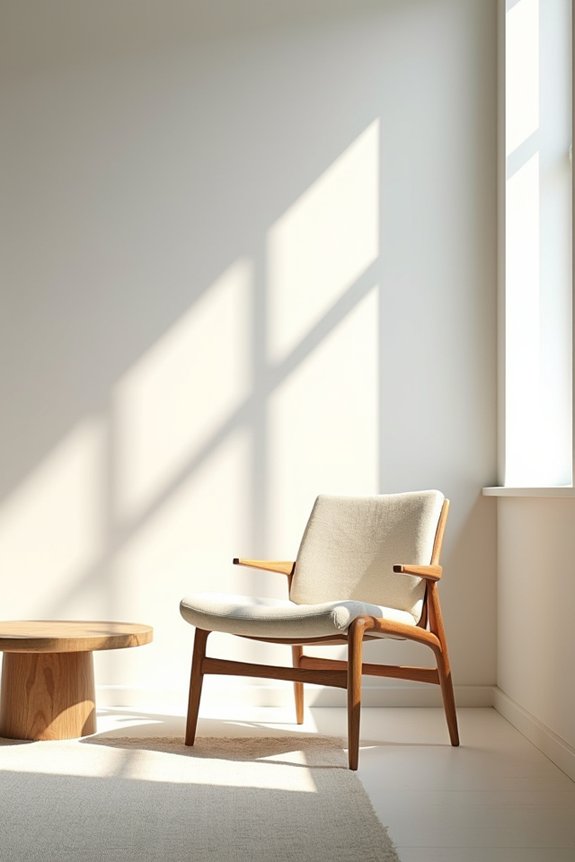
When I walk into a Scandinavian-inspired room with just a few carefully chosen pieces instead of stuff everywhere, I actually feel less stressed—and I’m not alone in noticing that. You know that quality-over-quantity thing? It turns out that surrounding yourself with fewer but genuinely nice items (like a well-made linen throw or a single piece of art) makes your brain work less hard, which means you feel calmer. That’s what happens when you practice minimalism without making your space feel like a cold hospital: restraint and thoughtfulness create peace, not emptiness.
Curated Spaces, Reduced Anxiety
Ever notice how your brain feels lighter when you walk into a room that isn’t stuffed with clutter? I’ve found that Scandinavian design creates this feeling by building curated spaces that reduce anxiety.
When I surround myself with fewer, intentionally chosen objects, my mind stops racing. Here’s what works:
- Neutral colors like whites and soft grays calm visual noise
- Minimalism means keeping only what serves a purpose or brings joy
- Natural materials such as wood and linen add warmth without chaos
- Clutter reduction through hidden storage keeps my space feeling spacious
The benefit isn’t sterile coldness—it’s thoughtful restraint. By choosing quality over quantity, my everyday environment supports concentration and relaxation. You’re not just decorating; you’re designing a space that helps you breathe easier.
Quality Over Quantity Principle
Now that I’ve cleared away the clutter, I’ve discovered something unexpected: the real value isn’t in having less stuff—it’s in choosing the right stuff. I’ve learned that Scandinavian design teaches us to invest in fewer pieces made from natural materials like wood and leather that actually last. When I stopped buying cheap items constantly, I realized quality craftsmanship saves money long-term. That minimalism isn’t boring or sterile—it’s deliberate. Each item I own now serves a purpose and looks good doing it. The durability means I’m not replacing things constantly, which honestly feels rewarding. You’re not just reducing anxiety by decluttering; you’re building a home where everything around you demonstrates thoughtfulness and care. That’s what makes this approach so deeply satisfying.
How Nordic Landscapes Shape Organic Design Forms
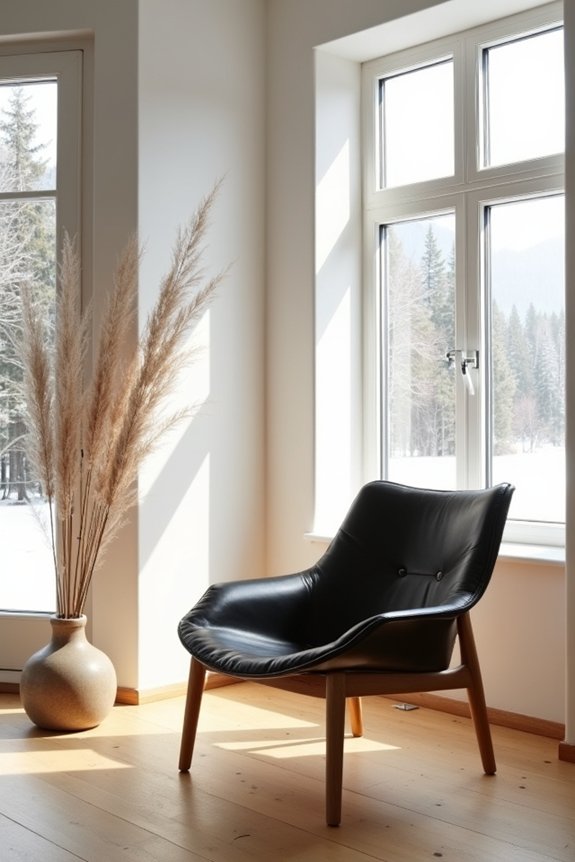
Because you’re surrounded by forests, frozen lakes, and dramatic seasonal shifts, it’s hard not to let nature seep into everything you create—and that’s exactly what happened to Scandinavian designers. I’ve noticed how they incorporate Nordic landscapes into organic design forms that feel both wild and welcoming.
Here’s what makes this approach distinct:
- Nature-inspired shapes drawn from trees, water, and snow appear in everyday furniture
- Materials and textures like warm wool and durable beech wood echo the rugged outdoors
- Regional folklore and botanical motifs subtly pattern textiles and ceramics
- Human-scale comfort blends practical function with sculptural beauty
These designers didn’t just copy nature—they conversed with it. They understood that harsh climates demand durability, while long winters crave coziness. That’s why their work resonates so deeply.
Hygge: The Warmth Unique to Scandinavian Interiors
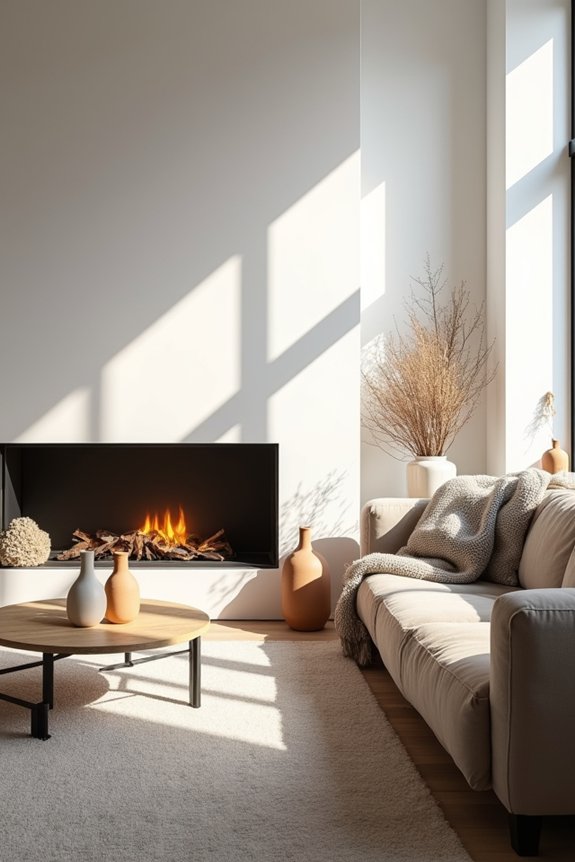
I’ve discovered that what makes Scandinavian interiors feel so welcoming isn’t just about throwing a blanket on your couch—it’s about understanding how the Norse culture built warmth into every corner during those brutal, dark winters. When I started paying attention to hygge, I realized it’s this beautiful balance where you’re layering natural textures like wool and linen with soft lighting from candles, creating spaces that actually make you want to stick around and connect with people you care about. The thoughtful part is how uncluttered these rooms are; there’s no unnecessary stuff competing for your attention, just carefully chosen pieces and cozy moments that improve how you feel.
Creating Cozy Living Spaces
What makes you feel most comfortable when you’re curled up at home? I’ve discovered that Scandinavian design nails this feeling through thoughtful choices that create spaces worth spending time in.
I layer warm textiles like chunky knit blankets and soft pillows for comfort. Natural materials—wool, linen, and wood—add texture that invites touch. Here’s what I prioritize:
- Soft, layered lighting that mimics candlelight
- Neutral color palettes with warm cream and beige tones
- A focal point like a fireplace or window seat
- Indoor plants that bring life and calm
These elements work together, creating spaces where you genuinely want to spend time. That’s why Scandinavian design resonates with so many of us—it understands what belonging actually feels like.
Warmth Through Natural Elements
The coziness of creating a welcoming home goes beyond furniture arrangement—it’s about surrounding yourself with materials and light that make you feel supported. Natural materials like wood, wool, and linen bring warmth and invitation to a space. When I place a wooden side table or drape a wool blanket across my sofa, I’m creating hygge—that Danish concept of coziness that encourages you to linger.
Soft, warm lighting through candles or dimmed lamps creates an enveloping atmosphere in your room. The combination of natural elements and gentle light offers both visual appeal and emotional benefit, helping you feel calmer and more grounded in your surroundings.
Light And Comfort Balance
How do you create a space that feels both bright and cozy at the same time? Scandinavian design handles this balance well. The approach involves layering light and comfort with intention.
What works:
- Natural light streams through large windows with minimal curtains, brightening your room without clutter
- Warm textiles like wool blankets and linen cushions add softness against cool daylight
- Neutral palette of whites and beiges keeps everything calm and connected
- Amber-toned lighting and candles warm the space when darkness falls
This approach doesn’t feel contradictory. You’re not choosing between brightness and coziness—you’re combining them together. The natural light keeps things fresh while layered textures and dimmed fixtures create an inviting, comfortable atmosphere. It works in practice, and you’ll notice the difference when you implement it.
Form Follows Function in Scandinavian Philosophy
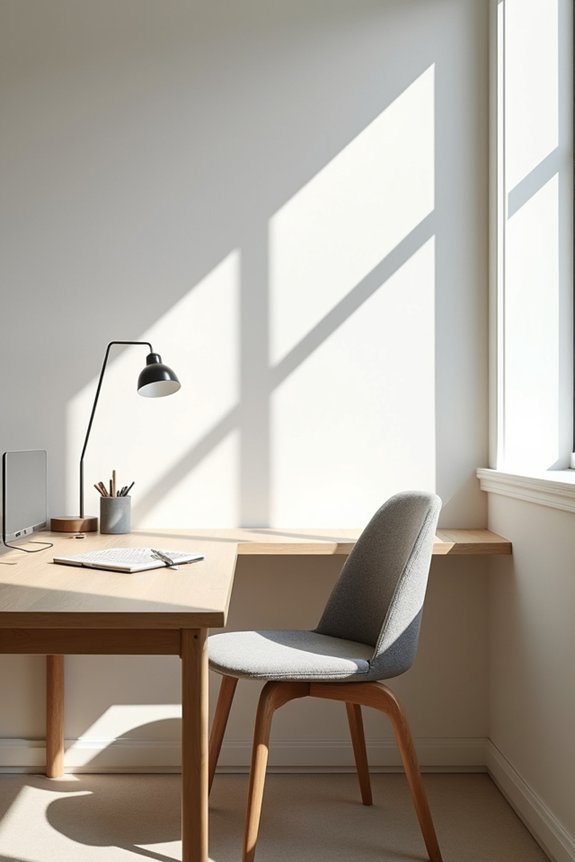
Why do Scandinavian designers seem to get it right when so many others don’t? I’ve noticed they follow a straightforward rule: form follows function. They ask themselves, “What’s this thing actually for?” before adding unnecessary decoration.
This minimalism isn’t about looking cold or dull—it’s honest and straightforward. I appreciate how natural materials like wood and leather show their true selves, no hiding behind fake finishes. What you see is what you get.
What really interests me is democratic design. These aren’t luxury pieces locked behind impossible prices. Scandinavian creators believe well-made furniture should be accessible to everyone, not just the wealthy. They’ve figured out that useful, beautiful, and affordable work together. That’s why I keep coming back.
The 1954 Exhibition That Made Scandinavian Design Global
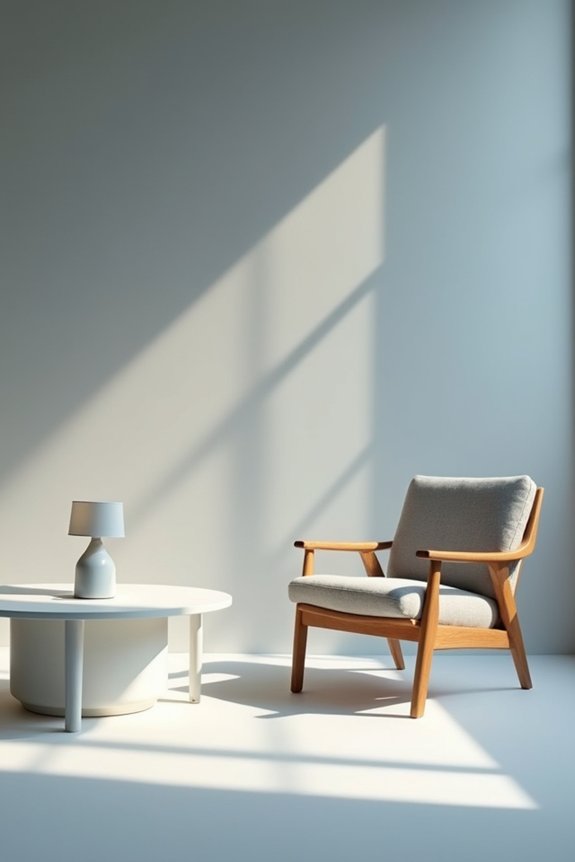
In 1954, something clicked for American audiences at the Brooklyn Museum—a moment that changed how we’d all think about furniture and home design. This single exhibition introduced us to Scandinavian design, launching it into global prominence.
A 1954 Brooklyn Museum exhibition introduced American audiences to Scandinavian design, fundamentally transforming global furniture and home aesthetic perspectives.
The show’s appeal lay in what it promoted:
- Simple, functional designs inspired by nature
- High-quality pieces accessible to everyday people
- Democratic design that didn’t sacrifice beauty for practicality
- Mass-producible furniture at reasonable prices
The exhibition’s smart marketing and shipping strategies got Danish, Swedish, and Finnish pieces into American stores and homes. Designers like Hans J. Wegner and Arne Jacobsen became household names. Suddenly, we all wanted that clean Nordic aesthetic in our living spaces—and the reasons were clear.
Adapting Without Abandoning: How Scandi Design Stays Relevant
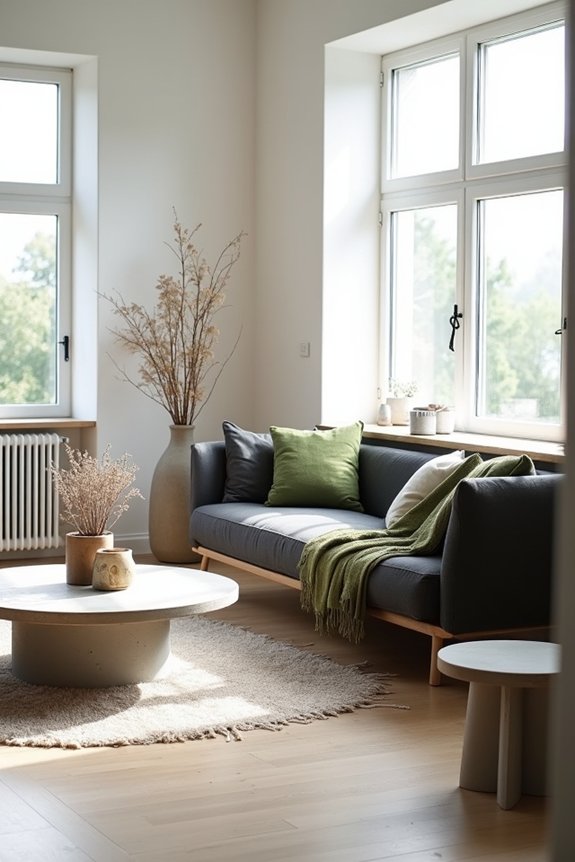
Scandinavian design’s global reach didn’t result from luck in 1954—it resulted from building something flexible enough to adapt without losing its character. I’ve observed this adaptability directly, and it’s noteworthy. The style evolves while maintaining its core: minimalism, natural materials, and functional craftsmanship remain constant anchors.
| Era | Color Shift | Core Values Preserved |
|---|---|---|
| 1960s | Saturated palettes | Minimalism |
| 1980s-90s | Neutral tones | Natural materials |
| 2020s | Danish Maximalism | Functional design |
What keeps Scandi design relevant is its selective approach—fewer pieces, complete spaces. I value how neutral whites and greys work with current trends while retaining identity. Quality materials like beech and linen provide durability. Subscription boxes and scalable production from iconic designers to mass markets maintain accessibility, allowing you to belong to something both timeless and evolving simultaneously.
Why Scandinavian Design Breaks the Luxury-Price Link
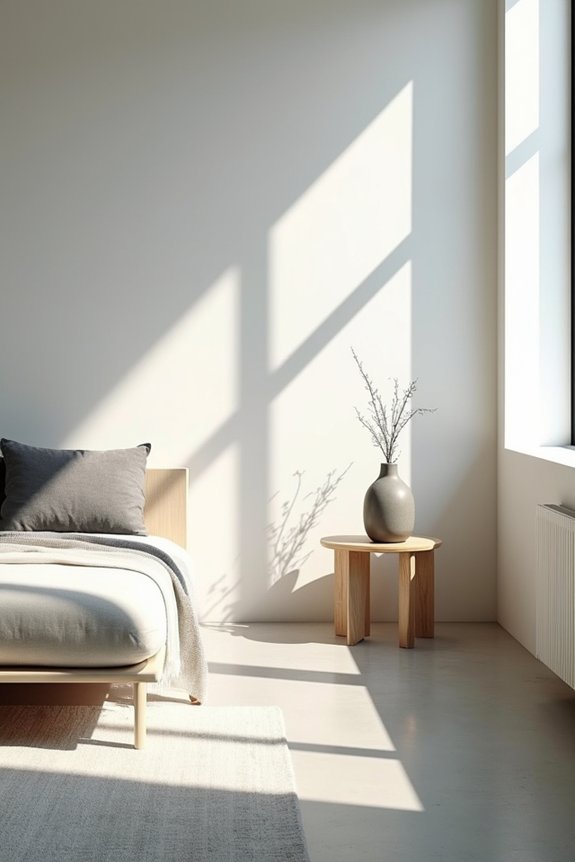
Most expensive furniture feels exclusive because it is—you’re paying for scarcity and prestige. Scandinavian design flipped this script entirely. I’ve watched how these designers democratized luxury by proving you don’t need sky-high prices for quality pieces.
They achieved this through smart choices:
- Standardized production meant factories could make thousands of identical chairs efficiently
- Mass production techniques replaced handcrafted exclusivity with accessible craftsmanship
- Affordable materials like pressed wood and modular components cut costs without sacrificing appearance
- Democratic production philosophy treated well-made design as everyone’s right, not just the wealthy’s privilege
Hans Wegner’s chairs and Arne Jacobsen’s iconic pieces prove this works. These aren’t cheap knockoffs—they’re genuinely excellent furniture that happens to cost less. That’s why you’ll find Scandinavian design so relatable. It welcomes you in.